
How the Brain Plays into Mindset as a Mom

Our job as a sovereign mom is to raise empowered kids, children who see the world for all of its possibilities rather than all of its limitations. But the only way that happens is through you. Your mindset, your beliefs, what you are thinking on a daily basis. This is one of the most important aspects of your life that you can begin working on from the moment you conceive.
The Job of The Brain
The brain plays a role in mindset in a multitude of ways, but the most important place to start is understanding the difference between the conscious and subconscious mind. Different regions of the brain regulate different responses, yet your subconscious mind holds your belief systems, those programs running quietly in the background that shape how you perceive the world.
Safety & Survival
Your brain is constantly scanning your environment and signaling to your body whether something is safe or unsafe. This is largely directed by the amygdala, the region responsible for threat detection. If something feels familiar to a past wound, your brain reacts before your logic ever gets a say. The hippocampus stores memories, especially emotional ones, and the prefrontal cortex is responsible for reasoning and decision-making. But when the amygdala is activated, it overrides the prefrontal cortex. In other words, survival wins over possibility.
And most of these safety programs were picked up in childhood.
If love felt conditional, your brain learned to scan for rejection.
If money felt scarce, your brain learned to scan for limitations.
If conflict felt unsafe, your brain learned to avoid expression.
This becomes your neural wiring.
Taking Note of Your Personal Mindset
You can take a quick audit on yourself and see if you have belief systems giving you a more fixed mindset, rigid thinking that sees limitation, or a growth mindset, where you recognize that change is possible and new neural pathways can be created.
Try this: Write down 10 ways you could receive support this week — emotionally, financially, logistically — without controlling the outcome. Give yourself one minute.
If your brain struggles to see options, that’s not a character flaw. That’s conditioning. That’s a neural pathway that has been strengthened through repetition.
This is where neuroplasticity comes in.
Neuroplasticity is the brain’s ability to rewire itself by forming new neural pathways. What you think repeatedly strengthens certain circuits. The phrase “what fires together wires together” is literal. If you repeatedly think “I’m alone in this,” then that pathway strengthens. If you repeatedly practice seeing support, that pathway strengthens instead.
The Chemistry of It All
How thinking affects brain chemistry is real. Repetitive stress-based thoughts increase cortisol and reinforce survival wiring. Possibility-based thinking increases dopamine and reinforces motivation and expansion. Brain chemistry is not separate from mindset; it reflects it.
Motherhood & Mindset
And as a mom, your brain chemistry can be deeply impacted by pregnancy, postpartum, sleep deprivation, and hormonal shifts. When estrogen and progesterone fluctuate, when oxytocin surges, when your nervous system is overstimulated, your perception can narrow. You may feel more reactive, more vigilant, more protective. That is your brain prioritizing survival.
The science behind mindset types — fixed and growth mindsets — shows measurable differences in how the brain responds to challenge. A fixed mindset activates threat circuitry, where effort feels like proof of inadequacy. A growth mindset activates learning centers in the prefrontal cortex, and effort feels like expansion.
Your child learns mindset not from what you say, but from what your nervous system models.
So how do you change this?
How do you move from limitation to possibility?
This is where I bring in the theta brainwave state.
Brainwave States
Most adults operate primarily in the beta brainwave. This is a fast, analytical, stress-responsive state. In beta, you’re managing, thinking, reacting. But your subconscious programs don’t live there. They live in the slower brainwave states — especially theta.
Theta is the state your brain naturally moves into during deep meditation, hypnosis, and the moments just before sleep. It is also the state children live in for the first years of life, which is why they absorb belief systems so easily.
When you intentionally shift into theta, you gain direct access to your subconscious programming. This is where you can identify the patterns you picked up in childhood and consciously choose a new pathway. This is where neuroplasticity becomes intentional instead of accidental.
Try it yourself with a series I created of 10–15 minute ThetaHealing® activations available in the Birthing Soul App to support mothers in real time during this critical window.
Change Is Possible
As it turns out, you can teach an old dog new tricks. The brain is not fixed. Neural pathways can be interrupted. New ones can be formed. Brain chemistry can shift. Regions of the brain can strengthen in response to repeated new experiences.
And as a mother, this matters deeply.
Because when you rewire your own perception of safety, possibility, worth, and support, you change the energetic environment your child is developing inside of. You move from reacting to your old programming to responding from a place of sovereignty.
Mindset is not just a motivational concept. It is neurological. It is chemical. It is patterned. And it is changeable.
And that is powerful.
About the Author
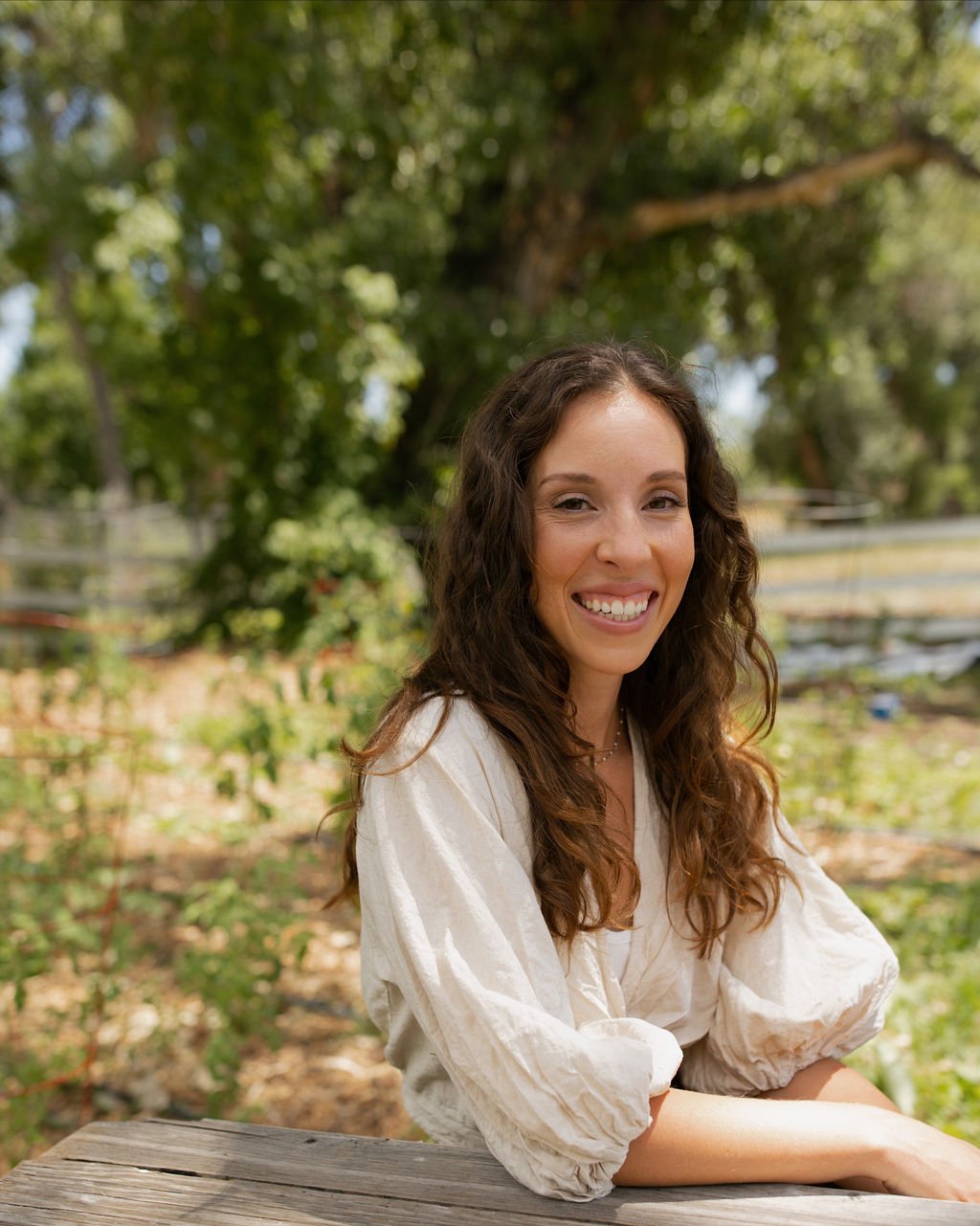
Emily is the founder of Sovereign Rising and a guide for mothers who are committed to breaking generational cycles and raising sovereign, emotionally secure children.
Her work centers on subconscious reprogramming, nervous system regulation, and early childhood imprinting, with a deep focus on how a mother’s unhealed wounds and triggers quietly shape a child’s beliefs, behavior, and sense of safety.